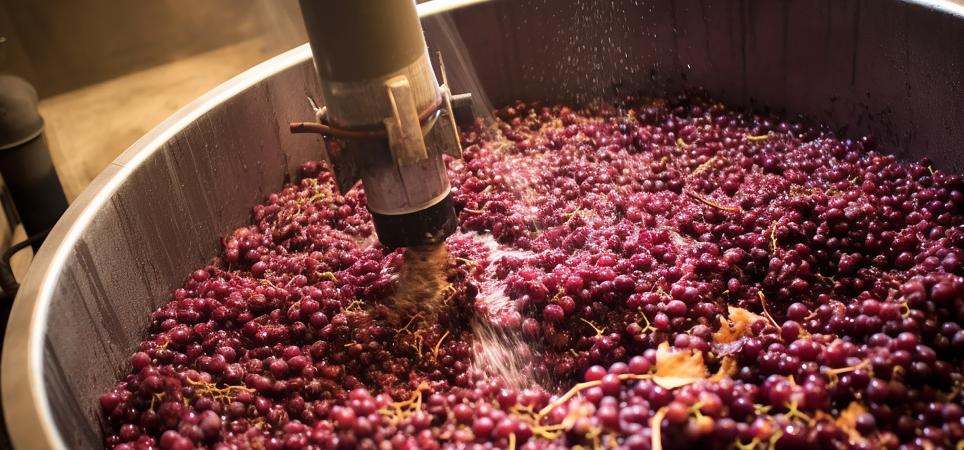
Crushing and Pressing the Fruit
A grape transforms into wine upon arrival at the winemaking facility. This is the crushing and extracting first steps, preparing the grapes for fermentation. The decisions taken at this junction determine the color, texture, and degree of aroma.
Each wine style is treated differently. Red, white, and rosé wines go through completely different crushing and pressing processes, the counterpart of the quantity of contact provided to the juice with respect to skins and seeds.
Destemming and Crushing
Destemming removes the grape stems, which can add bitterness if left in contact with the juice. Some winemakers choose partial or full stem inclusion to introduce structure or complexity, but this requires careful control. After destemming, grapes are gently crushed to release juice without damaging seeds, which can impart harsh flavors.
Modern equipment allows for precise adjustments, but traditional methods still exist. In some regions, grapes are crushed by foot to minimize mechanical stress. Regardless of technique, the goal is controlled extraction rather than forceful processing.
Pressing and Juice Separation
Pressing separates juice from solid grape material. For white wines, this often happens immediately after crushing to limit skin contact and preserve lighter color and delicate aromas. For red wines, pressing is delayed until after fermentation, allowing color and tannins to be extracted from the skins.
Pressing can be done in stages, with free-run juice collected first and pressed juice extracted later under increasing pressure. These fractions may be kept separate, as later pressings tend to contain more tannins and stronger flavors. Blending decisions later determine how much of each fraction is used.
Skin Contact and Extraction Choices
One of the most important differences between wine styles lies in how long grape juice remains in contact with skins, seeds, and sometimes stems. These components contain color, tannins, and aromatic compounds that shape the wine’s structure and mouthfeel.
Extraction decisions reflect both tradition and intention. A light, fruit-driven wine requires different handling than one built for long aging.
Red Wine Maceration
In red winemaking, fermentation occurs with skins and seeds present. This process, known as maceration, extracts color and tannins into the wine. Winemakers manage this extraction through techniques such as pumping over or punching down the cap of skins that forms during fermentation.
The length of maceration varies depending on grape variety and desired style. Shorter macerations produce softer, more approachable wines, while extended contact can result in deeper color and stronger structure. Timing is critical to avoid extracting harsh elements.
White and Rosé Skin Contact
White wines typically involve minimal skin contact, but some styles intentionally extend it to enhance texture and complexity. These wines may show deeper color and more pronounced phenolic character. Rosé wines fall between red and white styles, with brief skin contact to achieve their distinctive hue.
These choices reflect evolving consumer preferences and experimentation. While traditional methods remain influential, modern winemaking allows for a wide range of expressions from the same grape varieties.
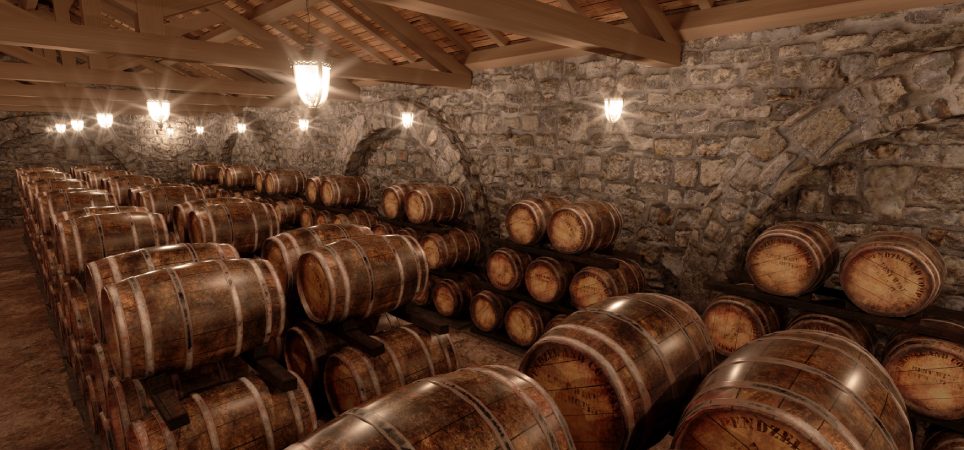
Aging and Maturation
After fermentation, wine enters a period of aging where flavors integrate and evolve. This stage can last from a few months to several years, depending on the wine’s style and intended use. Aging does not simply preserve wine; it actively changes it.
Winemakers decide how long and where wine should mature, balancing freshness with complexity. These decisions shape the final character of the wine before it reaches the bottle.
Stainless Steel and Neutral Vessels
Stainless steel tanks are widely used for aging wines that emphasize purity and freshness. They allow precise temperature control and prevent oxygen exposure. Neutral vessels such as concrete or older barrels can add texture without imparting strong flavors.
These options suit wines meant to highlight fruit character and regional expression. They also provide consistency across vintages, which is important for many producers.
Oak Barrels and Flavor Development
Oak barrels introduce oxygen slowly and contribute flavors such as vanilla, spice, or toast. The impact depends on barrel age, size, and origin. New barrels impart more pronounced flavors, while older barrels primarily influence texture.
Winemakers carefully choose barrel programs to complement rather than dominate the wine. Aging in oak requires regular monitoring to ensure balance and prevent spoilage. The goal is integration, not uniformity.
Clarification and Stability
To keep it clear and stable, it's necessary to clarify and stabilize the wine at this time. Of course, these things remove unwanted and unnecessary particles and reduce the rate of changes after sealing. But how necessary are they for the consumer's experience? Naturally, even if it tasted good, a consumer would rather reject an unstable undrinkable wine.
Racking, Fining, and Filtration
Racking involves transferring wine from one vessel to another to separate it from sediment. Fining uses natural agents to bind with suspended particles, making them easier to remove. Filtration provides an additional level of clarity and microbial stability.
Some winemakers minimize intervention to preserve texture and complexity, accepting slight variations in appearance. Others prioritize consistency and shelf stability. These choices reflect philosophy as much as technique.